
By Bill Wertman, CEO, Big Bend Hospice
In hospice care, listening is one of the most important things we do.
Before a care plan is written, before a nurse sits beside a patient’s bed, before a family begins to navigate the difficult decisions that come with serious illness, there is always a conversation. Sometimes it’s about symptoms. Sometimes it’s about fear or faith. Often, it’s about family traditions, personal beliefs, and the values that shape how someone wants to live their final days.
Those conversations remind us that compassionate care begins with understanding.
Across the country, minority communities have not always experienced healthcare in ways that build trust or confidence. History has left its mark, and for many families, conversations about serious illness and end-of-life care carry layers of cultural, spiritual, and personal meaning. Hospice providers have a responsibility to recognize that reality and approach every family with humility and respect.
At Big Bend Hospice, that commitment begins with listening to the people who make up our community.
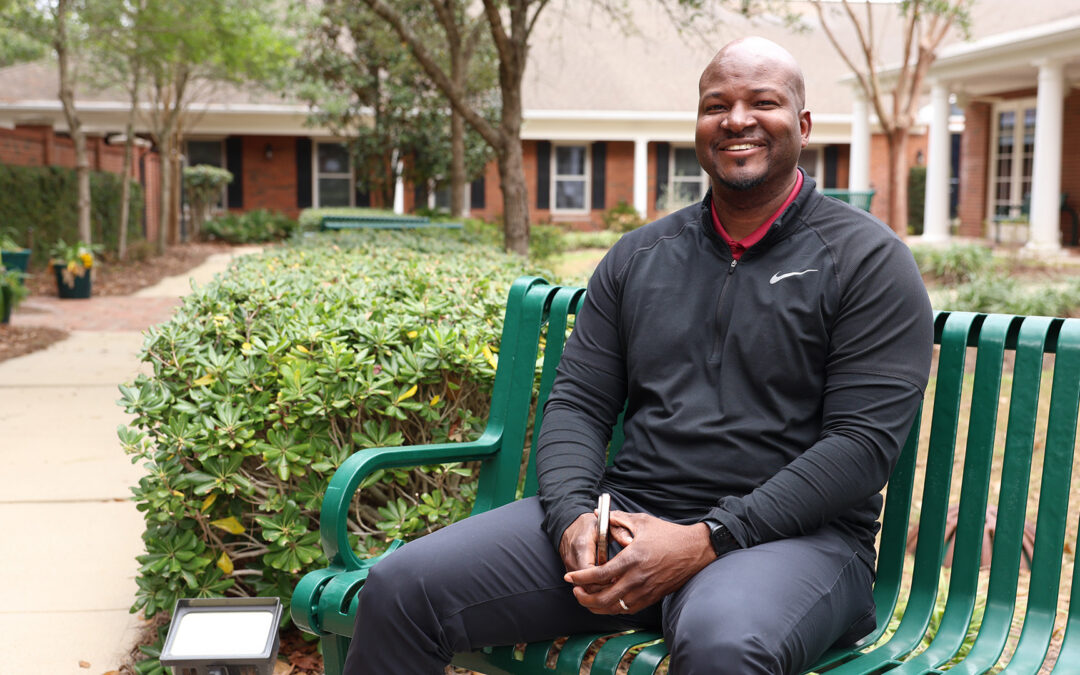
Last month, our team spent time filming a series of interviews with volunteers, family members, and team members from across our community. Many of those conversations centered on what hospice care has meant in their lives: why the mission matters so deeply, what they wish more people understood about hospice, and the misconceptions that still exist about the care we provide. Each person shared their own perspective, shaped by personal experience, culture, and the moments they’ve witnessed alongside patients and families.
What stood out most was how universal those reflections were. No matter the background or story, people spoke about the same things: compassion, dignity, and the comfort that comes from knowing someone will walk alongside you during life’s hardest moments.
Hospice care is never just clinical. It is deeply personal. The traditions a family brings into a room, the prayers spoken at the bedside, the music someone wants playing in their final hours; these things matter just as much as medications or care plans. They are expressions of identity and culture, and honoring them is an essential part of compassionate care.
That is why diversity within healthcare matters. The more perspectives we welcome into this work, the better we can serve the families who depend on us.
Here in the Big Bend, we are fortunate to live in a region rich with culture, faith traditions, and strong community ties. Our patients and families come from many backgrounds, and our care teams reflect that same diversity. Nurses, aides, social workers, chaplains, volunteers, and family caregivers all bring their own experiences into this work, strengthening the care we provide every day.
The conversations we recorded last month are reminders that hospice care belongs to everyone. Compassion does not recognize boundaries of race, culture, or background. The need for dignity at the end of life is universal.
For us, honoring minority health means continuing to learn from the voices around us. It means building relationships in every community we serve. And it means ensuring that when someone reaches the final chapter of life, they know they will be treated with respect, understanding, and compassion.
Because every story matters, every voice deserves to be heard, and every neighbor deserves care that honors who they are.